The World’s No. 1 Islamic Caps Brand.
When to Wear What: Etiquette, Occasions, and the Dignity of Head Covering
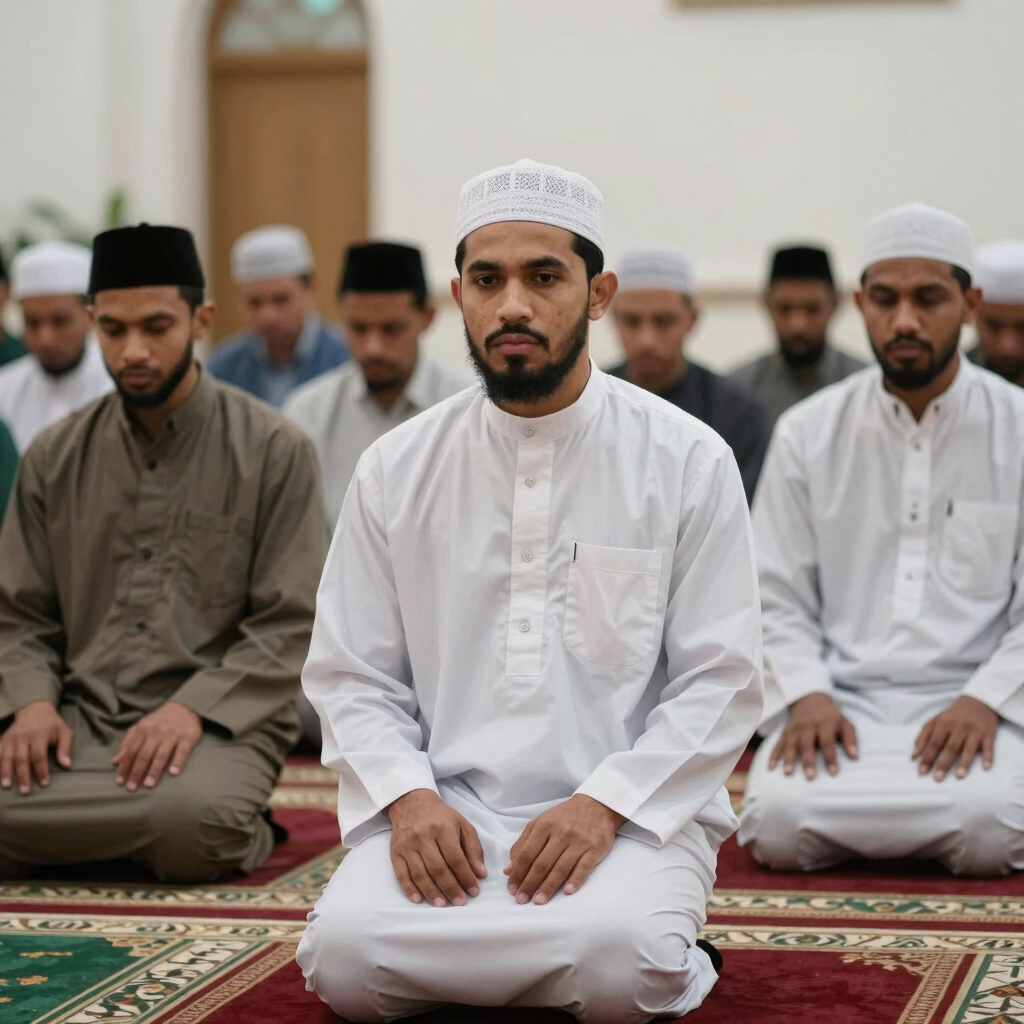
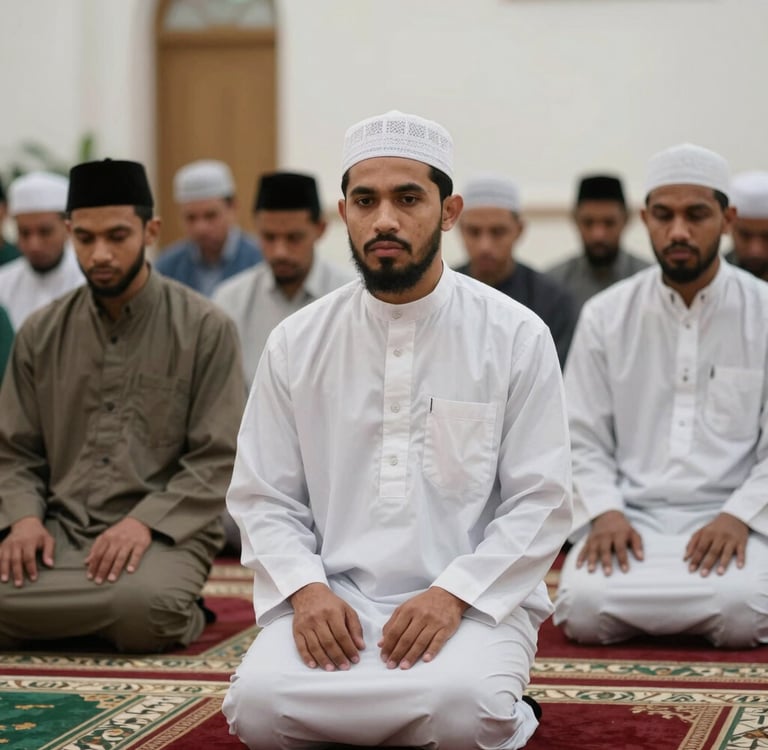
For many Muslim men, the Islamic cap is a constant companion—worn for prayers, at the mosque, and throughout daily life. But different occasions call for different styles, and understanding when to wear what is part of the quiet dignity that surrounds this practice.
The Five Daily Prayers: Comfort and Consistency
For the five daily prayers (Salah), comfort and practicality are paramount. Most men reach for a soft, breathable cap that can be worn multiple times a day without discomfort.
Best Choice: Crochet-knit or soft cotton caps. These are lightweight, flexible, and easy to carry in a pocket or bag.
Why: You will be putting the cap on and taking it off several times a day—at home, at work, or on the go. A cap that is comfortable and low-maintenance makes this routine effortless.
Friday (Jummah) and Eid: Dressing Your Best
Friday prayers and Eid celebrations are special occasions that call for special attire. The Prophet Muhammad (peace be upon him) encouraged Muslims to dress well for Jummah, and many traditions carry this spirit into the choice of headwear.
Best Choice: Structured or embroidered caps. This is the time to bring out the velvet songkok, the intricately embroidered South Asian topi, or the polished Omani kufi.
Why: These caps carry a sense of formality and respect that matches the significance of the day. In many South Asian families, the finest embroidered topis are reserved specifically for Eid and Jummah prayers, treated as part of the celebration itself.
Daily Life: A Quiet Reminder
Beyond formal prayers, many Muslim men choose to wear a cap throughout the day—while running errands, at work, or spending time with family. This consistent practice is rooted in the example of the Prophet, who is described as rarely being without some form of head covering.
Best Choice: Neutral, versatile caps that match everyday attire. Plain white or beige cotton taqiyahs are timeless and go with virtually anything.
Why: The cap becomes a physical, tactile reminder of faith that accompanies the wearer through all the ordinary moments of life—a small, repeated act of devotion woven into the rhythm of the day.
Special Occasions: Weddings, Gatherings, and Community Events
For weddings, community gatherings, and other significant events, the Islamic cap often takes on an additional layer of meaning—it becomes a marker of identity, belonging, and celebration.
Best Choice: Caps that reflect the wearer's cultural heritage or the occasion's significance. A West African kufi with bold geometric patterns, a Sindhi cap from Pakistan, or a Bohra cap from Gujarat—each carries its own story and signals membership in a particular community.
Why: These occasions are about more than just prayer—they are about community, tradition, and shared identity. The cap you choose can speak to where you come from and who you are.
The Etiquette of Wearing and Removing
While there are no strict rules, there are cultural norms and considerations of respect that guide how Islamic caps are worn.
During Prayer: The cap is worn throughout the prayer, from the opening takbir to the final salam.
Entering the Mosque: It is considered respectful to enter the mosque with your head covered. Many men keep a spare cap in their car or bag specifically for this purpose.
Removing the Cap: In many cultures, removing the cap is a sign of respect when entering someone's home or meeting an elder. However, this varies widely—in some regions, keeping the cap on is perfectly acceptable. When in doubt, observe what others around you are doing.
A Universal Practice, Locally Expressed
What makes Islamic headwear so fascinating is its universality paired with its incredible diversity. The same act of covering the head—rooted in the example of the Prophet and the desire for humility and respect—is expressed through dozens of regional styles, materials, and traditions. Whether it is a simple white taqiyah from the Arabian Peninsula, a vibrant embroidered kufi from West Africa, or a structured songkok from Malaysia, each cap carries the same quiet meaning.
The Prophet Muhammad himself is described as wearing a cap with a cloth tied around it—a style known as the imamah. This tradition, carried forward by kings and scholars throughout history, continues today in the simple act of putting on a cap before prayer.
Whatever you choose to wear, and whenever you choose to wear it, the cap you put on connects you to a living tradition—one that has been carried forward, adapted, and cherished by generations of believers across every continent.
An-Noor Headwear
Structured crowns for daily devotion.
© 2026 An Noor Headwear. - Dignified simplicity in every stitch.
HERITAGE TAILORING - PRAYER-TESTED COMFORT
Support
Contact
annoorheadwear@gmail.com