The World’s No. 1 Islamic Caps Brand.
The Art of the Cap: Materials, Craftsmanship, and Choosing Quality
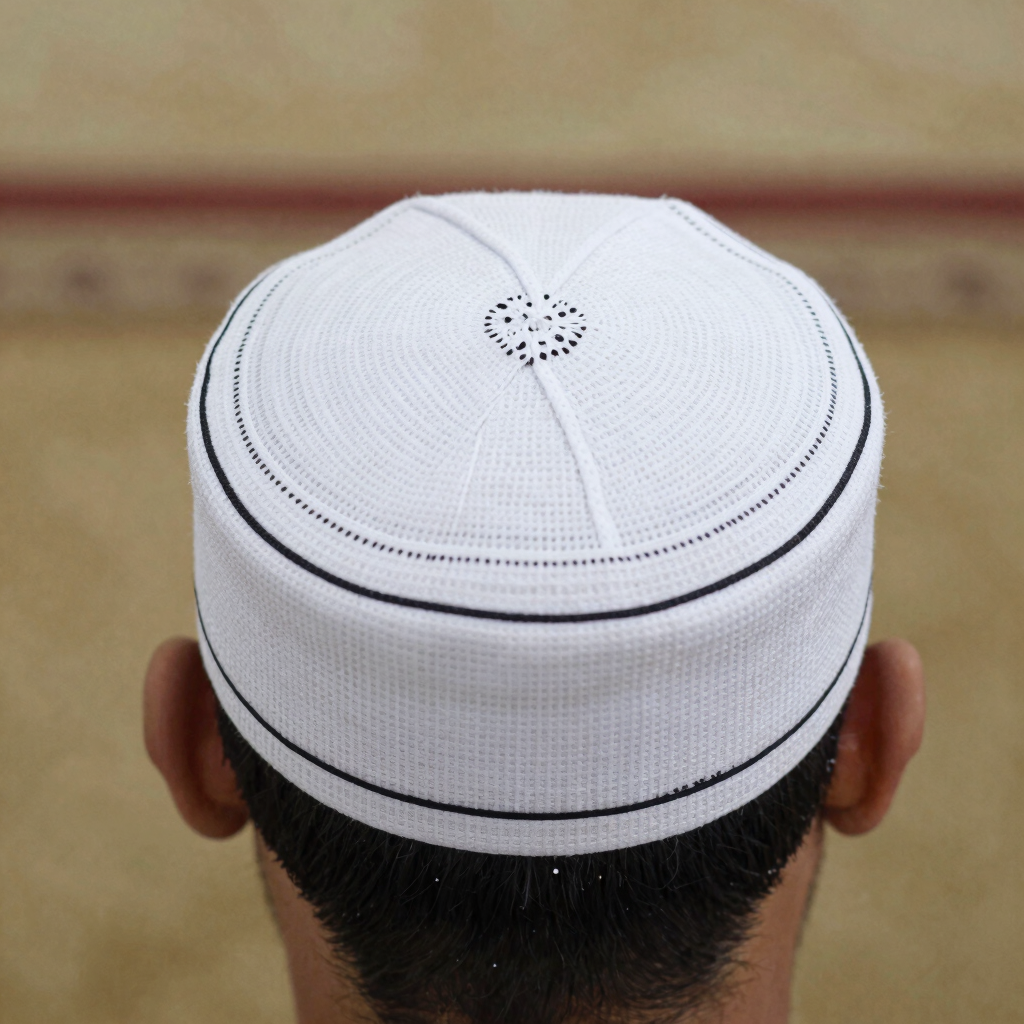
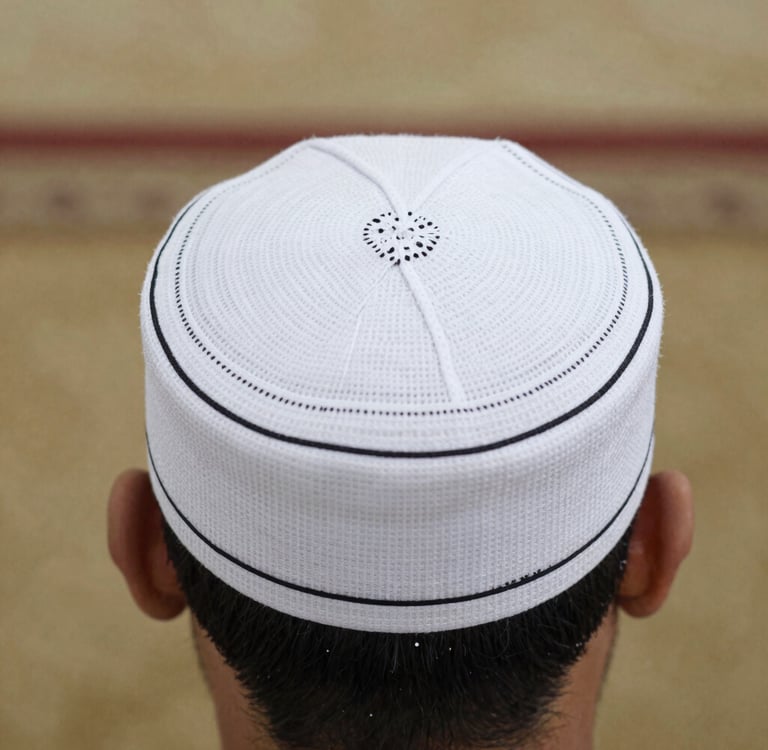
In a world of mass production, there is something special about a well-made garment. When it comes to Islamic caps, the difference between a mass-produced item and a thoughtfully crafted piece is not just about durability—it is about comfort, dignity, and the quiet satisfaction of owning something made with care.
Whether you are buying for yourself or as a gift, understanding the materials and craftsmanship behind a quality kufi, topi, or taqiyah can help you make a choice that will last for years, not just weeks.
The Fabric of Faith: Choosing the Right Material
The material of an Islamic cap determines not only how it looks but how it feels during long prayers and daily wear. Different climates, occasions, and personal preferences call for different fabrics.
Cotton: The gold standard for everyday wear. Cotton is breathable, soft, and gentle on the skin. A plain white or neutral cotton taqiyah is timeless, practical, and suitable for any occasion. Cotton caps are also easy to wash and maintain, making them ideal for daily use.
Wool: Perfect for cooler climates or winter months. Wool caps provide warmth without sacrificing breathability. They tend to have a slightly more textured appearance and can add a touch of sophistication to formal attire.
Crochet-Knit: These soft, stretchy caps are among the most popular choices for daily prayer. Made from fine cotton or synthetic threads, they are lightweight, breathable, and flex to fit a wide range of head sizes comfortably.
Velvet and Silk: Reserved for special occasions like Eid, weddings, or Friday prayers. These materials carry an air of formality and prestige. Embroidered velvet topis from South Asia or silk-blend songkok from Southeast Asia are often brought out only for the most significant religious and social events.
Felt: Commonly used in Southeast Asian songkok and peci, felt offers a structured, stiff shape that holds its form perfectly. It is the material of choice for formal and political settings in countries like Malaysia and Indonesia.
Structured vs. Soft: Finding Your Fit
Beyond material, the construction of the cap plays a major role in how it wears.
Structured (Rigid) Caps: These have stiff walls that hold their shape perfectly. They are the classic, formal choice—think of the Omani kufi or the Malay songkok. Structured caps offer a polished, dignified look but require accurate sizing, as they do not stretch.
Soft Knitted Caps (Omani Style): These are the most comfortable options for all-day wear. Made from soft cotton threads, they are breathable, flexible, and ideal for daily prayers. They are also the safest choice when you are unsure of the exact head size, as they accommodate a range of measurements.
Regional Craftsmanship: A World of Detail
One of the joys of exploring Islamic caps is discovering the incredible regional craftsmanship that goes into them.
South Asian Embroidery: Topis from Pakistan, India, and Bangladesh often feature intricate mirror work, metallic thread, and complex geometric or floral patterns. These are not just caps; they are wearable art, often handmade by skilled artisans.
West African Patterns: Kufis from West Africa are known for their bold colors and geometric embroidery. Specific patterns can carry deep cultural meaning, signaling the wearer's region, family lineage, or social standing.
Omani and Turkish Styles: These often feature clean, sophisticated designs—Omani caps are typically soft knitted cotton, while Turkish takke are simple, close-fitting, machine-knit caps in solid, neutral tones.
Investing in Quality
A well-made cap is an investment in comfort and dignity. When choosing a cap, look for:
Tight, even stitching: Loose or uneven threads are a sign of poor craftsmanship.
Quality fabric: The material should feel soft and substantial, not flimsy or scratchy.
Reinforced edges: The rim of the cap should be sturdy enough to hold its shape without digging into the forehead.
As one guide wisely advises: "Invest in well-constructed pieces." A quality cap will accompany you through countless prayers, journeys, and milestones—making it worth every penny.
An-Noor Headwear
Structured crowns for daily devotion.
© 2026 An Noor Headwear. - Dignified simplicity in every stitch.
HERITAGE TAILORING - PRAYER-TESTED COMFORT
Support
Contact
annoorheadwear@gmail.com